Face Reading
Lim Seul-ong Face Reading: A Long Jawline Seen from the Side
At a glance
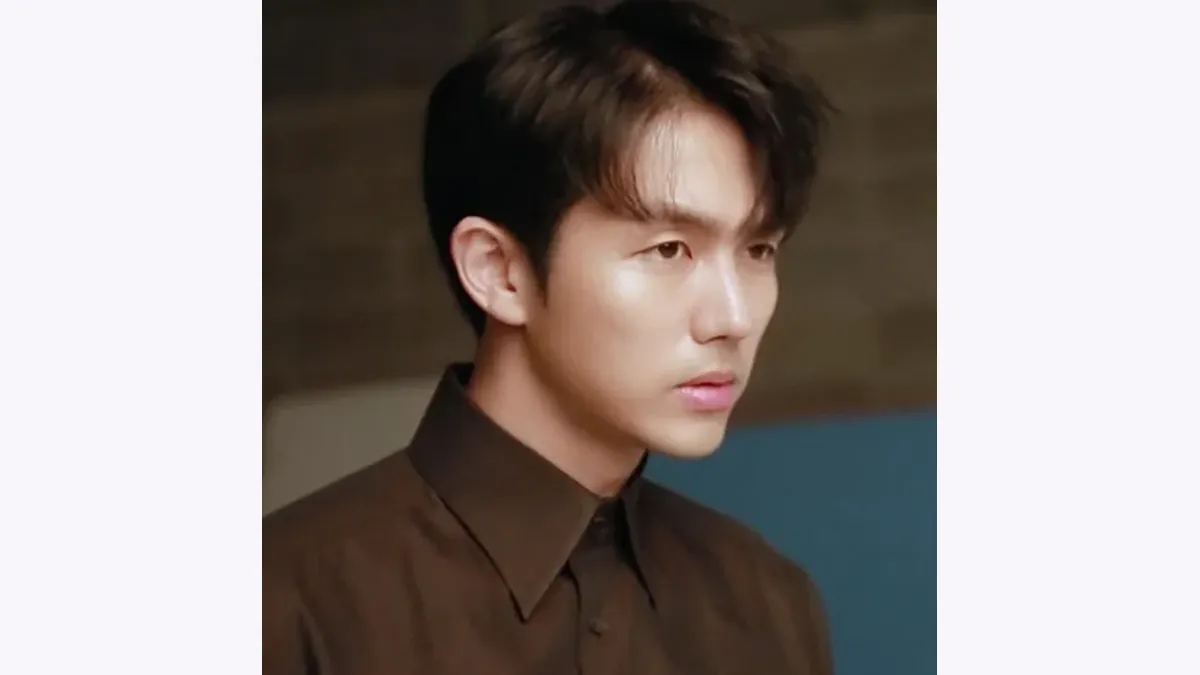
- Face shape: In a face turned to the side, the area below the cheekbones is narrow and the jawline is long.
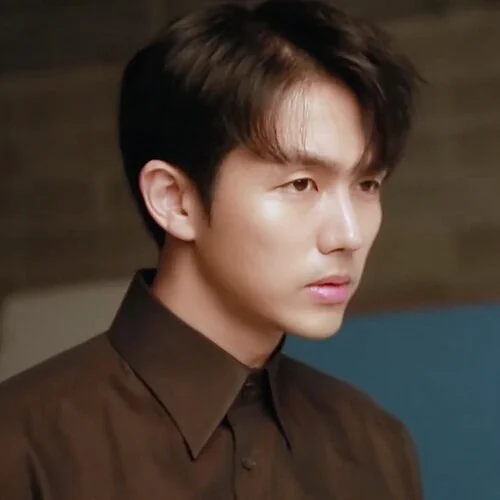
- Eyes: The eyes are horizontally long and the gaze is directed to the side.
- Chin: The angle of the lower jaw and the tip of the chin that protrude forward are distinct.
Lim Seul-ong was named as a performer for the Seoul concert “Today, 2am” in June 2026. This seven-step face reading explores Lim Seul-ong's facial contours and features in public photographs.
[1]
Photo: 20170613—Lim Seul-ong 임슬옹, "Mata Hari" photo shoot, scene PLAYBILL screenshot (00m37s) · scene PLAYBILL · CC BY 3.0 · Resizing/Converting to WebP, adding margins to covers and thumbnails
If you believe an image published on FaceReadingPro infringes your rights, please contact facereadingpro@protonmail.com.
The central theme of this profile of Lim Seul-ong is a long jawline seen from the side. We examine the visible contours and placement of the features in seven steps, starting with the overall face shape and ending with how its lines and surfaces fit together.
Step 1: Face Shape — The Outline of the Cheeks and Jaw
In a face turned to the side, the area under the cheekbones becomes narrower and the jawline becomes longer. The forward outline of the tip of the chin is visible.
In this composition, the border from one cheek to the chin is clearly revealed rather than the width of both sides of the face. By connecting the outer line of the cheekbones and the bending point of the chin, you can distinguish between the width of the face and the depth of the sides.
Step 2: Forehead — Between the Hairline and Brows
The forehead between the partings is vertically open. The bangs cover both sides and the entire hairline is not visible.
You should look at the shape of the exposed part of the forehead and the hair on both sides. Since the parting and bangs are the lines that divide the upper margin, there is no need to immediately interpret the asymmetry seen in the photo as asymmetry of the forehead itself.
Step 3: Eyes — Eyelid Curves and Horizontal Length
[2]
Photo: 20170613—Lim Seul-ong 임슬옹, "Mata Hari" photo shoot, scene PLAYBILL screenshot (00m37s) · scene PLAYBILL · CC BY 3.0 · Resizing/Converting to WebP, adding margins to covers and thumbnails
If you believe an image published on FaceReadingPro infringes your rights, please contact facereadingpro@protonmail.com.
The eyes are horizontally long and the gaze is directed to the side. The line of the near upper eyelid is clear.
The shape of the eye can be better revealed by dividing it into the horizontal length and vertical opening. The curve of the upper eyelid, the lower border, and the area that tapers to the corner of the eye combine to form a single outline.
Step 4: Eyebrows — The Lines Above the Eyes
The dark eyebrows extend relatively straight and surround the eyes. The ends of the eyebrows extend long outside the corners of the eyes.
Eyebrows can be examined by distinguishing between the density of color and the curve of the line. By comparing the inner thickness and the direction of the outer edge with the eyelid line, you can see how the outline surrounding the eye is formed.
Step 5: Nose — The Central Line and Depth
The high bridge of the nose and the protrusion of the tip create a lateral outline. The line running down the nose is also clear.
From this angle, both the length of the bridge of the nose and the degree to which the tip of the nose is brought forward are visible. The line where the bright side meets the shadow is also affected by lighting, so you can see the boundary between light and dark and the actual outer outline.
Step 6: Mouth and Chin — Expression and the Lower Face
Lips and Mouth Corners
The curve in the center of the upper lip and the thickness of the lower lip are visible together. This is an angle where the closed mouth appears slightly forward.
Jawline and Chin
The angle of the lower jaw and the tip of the chin that protrude forward are distinct. The line from the cheek to the chin is relatively straight.
In a closed mouth, the curve in the center of the upper lip and the curved surface of the lower lip can be examined separately. Comparing the horizontal width of the lips to the width of the tip of the chin reveals how small lines and large outlines are placed within the lower face.
Step 7: Overall Balance — A Long Jawline Seen from the Side
The structure of Lim Seul-ong's face becomes clear when you look at the line coming down from the cheekbones to the chin and the direction of the dark eyebrows. The horizontal lines of the eyes and mouth are placed between the vertical lines created by the nose in the center of the face and the chin at the bottom.
Lim Seul-ong's Facial Features at a Glance
- Face shape: In a face turned to the side, the area below the cheekbones is narrow and the jawline is long.
- Eyes: The eyes are horizontally long and the gaze is directed to the side.
- Chin: The angle of the lower jaw and the tip of the chin that protrude forward are distinct.
Together, these features show how the face's outer contour relates to the eyes and lower face. Looking at the connections between lines and surfaces helps explain the overall balance visible in this photograph.
Source for the introduction · Checked 2026-10-05